In the quiet moments of saying farewell to our beloved animal companions, pet owners often find themselves navigating uncharted emotional territory. As veterinary medicine advances and our bonds with pets deepen, we're increasingly confronted with complex end-of-life decisions that blur the lines between medical practicality and spiritual significance. Against this backdrop, an intriguing intersection has emerged between veterinary hospice care and celestial guidance—a synthesis of modern compassion and ancient wisdom that's gaining traction among pet owners seeking holistic support during life's most difficult transitions.
The concept of pet hospice, once considered unconventional, has evolved into a recognized practice that prioritizes comfort, dignity, and quality of life during an animal's final chapter. Veterinary professionals specializing in palliative care now work alongside grief counselors and pet loss support specialists to create comprehensive end-of-life plans. Yet despite these professional resources, many pet guardians find themselves yearning for additional layers of meaning and comfort—a desire that has led some to explore astrological perspectives on the journey of transition.
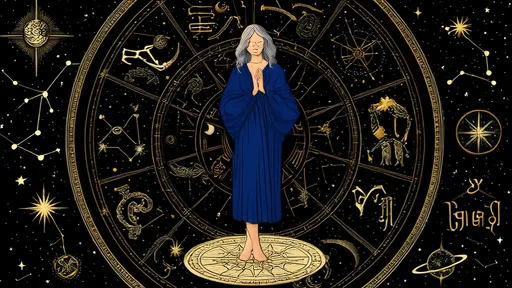
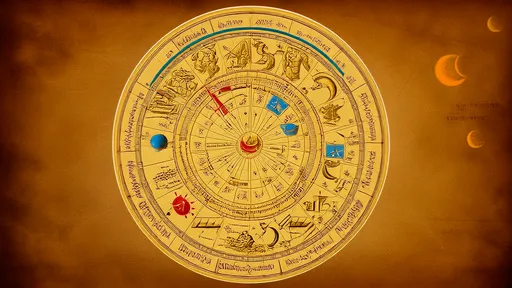
Astrological support for pet end-of-life decisions operates on several interconnected levels. Practitioners who blend celestial wisdom with pet hospice principles often begin by examining the animal's birth chart, much as one would for a human client. The positioning of planets at the time of the pet's birth can provide insights into their fundamental nature, health predispositions, and even potential timing of significant life transitions. When combined with knowledge of current planetary transits, this information creates a multidimensional picture that some find helpful in contextualizing their companion's journey.
The moon's cycles feature prominently in these astrological consultations. Many practitioners note that animals, being deeply connected to natural rhythms, often exhibit heightened sensitivity to lunar phases. The waning moon—traditionally associated with release, closure, and letting go—is frequently considered an auspicious time for supporting a pet's transition when the quality of life has significantly diminished. This isn't about predetermined fate but rather about working with cosmic energies that many believe can facilitate a more peaceful passage.
Planetary retrogrades, particularly Mercury retrograde periods, are another consideration within this framework. While popular culture often paints retrogrades as purely chaotic, astrological practitioners working with pet end-of-life decisions view them as periods of review, reflection, and completion. Some pets naturally align their final journeys with these cycles, creating opportunities for owners to engage in meaningful retrospectives about their shared lives. This perspective can transform what might otherwise feel like frustrating delays in medical decision-making into sacred periods of contemplation.
The sun's movement through the zodiac provides additional layers of symbolic meaning. Each astrological season carries distinct energetic qualities that can inform how families approach their pet's final months or weeks. The grounded, practical energy of earth signs might be ideal for making concrete care plans, while the compassionate water sign periods could support emotional processing. Fire signs might bring energy for celebrating a pet's life, and air signs might facilitate important conversations with family members about end-of-life wishes.
Critics naturally question the validity of applying human-centric astrological systems to animals. However, proponents argue that since pets live in close relationship with humans, they're inherently influenced by the same cosmic patterns that affect their owners. The human-animal bond creates an energetic entanglement that makes shared astrological influences not only possible but potentially significant. This perspective doesn't replace veterinary science but rather complements it by addressing the spiritual and emotional dimensions of pet loss that clinical medicine alone cannot satisfy.
Practical applications of astrological insight in pet hospice care vary widely among families. Some simply use planetary timing to choose meaningful dates for euthanasia or memorial services. Others develop daily care routines aligned with lunar phases or planetary hours, adjusting pain management, hydration, and comfort measures according to celestial rhythms. Many find that incorporating small astrologically-informed rituals—like reading to their pet during a particular planetary hour or using crystals associated with comforting planetary energies—provides structure and meaning during an otherwise unstructured and emotionally chaotic time.
The rising popularity of this integrative approach reflects broader cultural shifts in how we perceive animal consciousness and the human-animal bond. As we increasingly recognize pets as sentient beings with emotional depth and spiritual significance, it follows that we would seek to honor their transitions with the same multidimensional care we would offer human family members. Astrological perspectives provide a language for discussing the ineffable aspects of this journey—the sense of timing, purpose, and cosmic connection that transcends clinical explanations.
Veterinary professionals are taking note of this trend, with some incorporating basic astrological concepts into their client communication strategies. While maintaining scientific integrity, they might acknowledge a client's interest in celestial timing or use lunar metaphors to discuss natural cycles of life and death. This doesn't constitute medical endorsement of astrology but rather represents a compassionate recognition that pet loss involves multiple dimensions of human experience—including the spiritual and symbolic.
Research into the effectiveness of astrological support for pet end-of-life decisions remains limited, relying primarily on anecdotal evidence and personal testimonials. However, the placebo effect and meaning-making benefits shouldn't be dismissed lightly when addressing profound grief. If believing that a pet's transition aligns with favorable planetary aspects helps owners process their loss more peacefully, then the intervention has value regardless of its mechanistic validity. The comfort derived from perceiving patterns and meaning in difficult times is itself a therapeutic outcome.
Ethical considerations naturally arise when blending esoteric practices with medical decision-making. Responsible astrological practitioners emphasize that celestial guidance should never override veterinary advice or prolong animal suffering. The stars might suggest timing, but quality of life assessments and medical realities must remain paramount. This integrated approach works best when astrology serves as a framework for emotional processing rather than a deterministic system for medical choices.
As our society continues to evolve its understanding of both animal consciousness and holistic wellness, the integration of astrological perspectives into pet end-of-life care will likely continue growing. This movement represents more than just New Age curiosity—it's part of a broader cultural effort to restore meaning, ritual, and spiritual dimension to experiences that modern medicine sometimes reduces to purely clinical procedures. In honoring our pets' lives and deaths with the same complexity with which we honor human lives, we deepen not only our relationships with animals but also our understanding of what it means to care, to grieve, and to find meaning in life's most challenging moments.
Ultimately, whether one fully embraces astrological principles or simply appreciates their metaphorical value, this approach highlights a universal human desire: to feel that our beloved companions' lives—and deaths—are part of something larger than ourselves. In the profound silence that follows a pet's passing, the ancient language of the stars offers some a sense of continuity, connection, and cosmic comfort that helps transform grief into gratitude and loss into lasting peace.

By /Aug 25, 2025

By /Aug 25, 2025

By /Aug 25, 2025

By /Aug 25, 2025

By /Aug 25, 2025

By /Aug 25, 2025
By /Aug 25, 2025

By /Aug 25, 2025
By /Aug 25, 2025
By /Aug 25, 2025

By /Aug 25, 2025

By /Aug 25, 2025
By /Aug 25, 2025

By /Aug 25, 2025

By /Aug 25, 2025

By /Aug 25, 2025
By /Aug 25, 2025
By /Aug 25, 2025

By /Aug 25, 2025
By /Aug 25, 2025