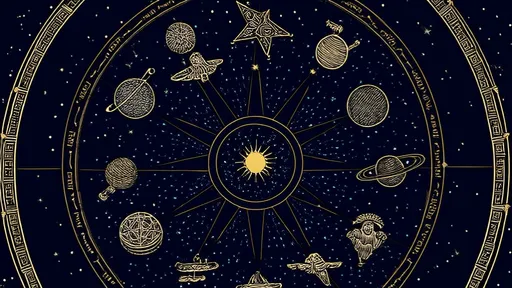
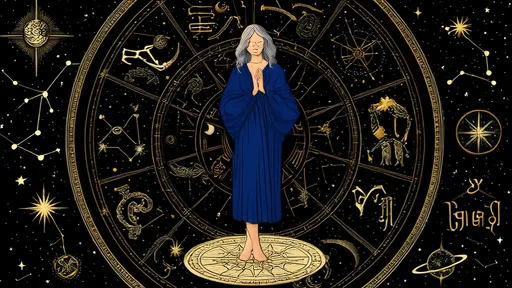
In the ever-evolving landscape of subscription-based services, understanding consumer behavior has become paramount for businesses aiming to foster loyalty and reduce churn. While traditional analytics focus on demographics and purchasing patterns, an unconventional yet intriguing lens has emerged: astrological signs. The correlation between zodiac traits and subscription service stickiness offers a fascinating, if controversial, perspective on why some customers remain devoted while others quickly cancel.
Astrology, often dismissed as pseudoscience, continues to wield significant influence in popular culture. Millions check their horoscopes daily, and many genuinely believe that their sun sign shapes their personality, preferences, and decision-making processes. This belief system, when applied to consumer behavior, reveals patterns that businesses might leverage to tailor their retention strategies. For instance, earth signs like Taurus, Virgo, and Capricorn are known for their practicality and reliability. These individuals tend to value consistency and are less likely to jump from one service to another. Once they find a subscription that meets their needs, they stick with it, often becoming long-term subscribers.
Conversely, fire signs—Aries, Leo, and Sagittarius—are characterized by their passion, impulsivity, and thirst for novelty. They are the thrill-seekers of the zodiac, always on the lookout for the next big thing. This trait makes them more prone to subscription hopping. They might sign up for a new streaming service or meal kit with great enthusiasm, but their interest can wane just as quickly when something new catches their eye. Retaining these customers requires constant innovation and engagement to keep the experience fresh and exciting.
Air signs, such as Gemini, Libra, and Aquarius, are intellectual, social, and highly communicative. Their subscription habits are often influenced by trends and social proof. They are likely to subscribe to services that their friends are using or that are currently popular on social media. However, their fickle nature means they can be easily swayed by negative reviews or the emergence of a competitor. To maintain their loyalty, services must foster a strong community around their brand and actively manage their online reputation.
Water signs—Cancer, Scorpio, and Pisces—are emotional, intuitive, and value-driven. Their subscription decisions are deeply tied to how a service makes them feel. They seek emotional connection and authenticity from the brands they support. A subscription that aligns with their personal values or provides a sense of comfort and security is more likely to retain them. Poor customer service or a perceived lack of integrity, however, can lead to immediate cancellation, as their loyalty is emotionally charged rather than logically reasoned.
This astrological framework, while not scientifically rigorous, provides a unique narrative for understanding the subconscious drivers behind consumer loyalty. It underscores the importance of personalized marketing and customer engagement. A one-size-fits-all approach to retention is increasingly ineffective in a saturated market. By considering the perceived traits associated with different zodiac signs, businesses can develop more nuanced strategies. For example, offering stability and long-term benefits might resonate more with earth signs, while limited-time offers and exclusive content could captivate fire signs.
Critics argue that attributing subscription behavior to astrology is reductive and ignores more concrete factors like price, quality, and convenience. They point out that confirmation bias plays a significant role; people notice when their behavior aligns with their sign's stereotypes and overlook when it doesn't. Nonetheless, the cultural prevalence of astrology makes it a powerful tool for storytelling and brand connection. In marketing, perception often trumps reality, and if customers believe their zodiac sign influences their choices, then catering to that belief can be a clever psychological tactic.
Several forward-thinking companies have already begun experimenting with astrological segmentation in their marketing campaigns. Personalized emails based on zodiac signs, special offers tied to astrological events like Mercury retrograde, and content curated according to perceived sign preferences are becoming more common. These strategies aim to create a deeper, more personal connection with the audience, making the service feel tailor-made for the individual. This level of personalization can enhance the user experience and foster a sense of belonging, which is crucial for long-term retention.
Ultimately, the stickiness of a subscription service depends on a complex interplay of factors. While astrology should not replace data-driven analytics, it can complement them by adding a layer of psychological insight. Understanding the archetypal behaviors associated with each sign allows businesses to anticipate needs and preferences on a broader scale. It encourages a more empathetic approach to customer engagement, where the goal is not just to sell a product but to build a meaningful relationship.
In conclusion, the zodiac offers a metaphorical lens through which to view consumer loyalty in the subscription economy. It highlights the diversity of human motivation and the need for adaptable, personalized business strategies. Whether one is a steadfast Taurus or a spontaneous Sagittarius, the key to retention lies in making every customer feel seen, understood, and valued. As the market continues to evolve, those who can tap into the unique rhythms of their audience, be it through astrology or other means, will likely lead the pack in building enduring subscriber relationships.

By /Aug 25, 2025

By /Aug 25, 2025

By /Aug 25, 2025

By /Aug 25, 2025
By /Aug 25, 2025

By /Aug 25, 2025
By /Aug 25, 2025

By /Aug 25, 2025

By /Aug 25, 2025
By /Aug 25, 2025
By /Aug 25, 2025

By /Aug 25, 2025
By /Aug 25, 2025
By /Aug 25, 2025

By /Aug 25, 2025

By /Aug 25, 2025
By /Aug 25, 2025
By /Aug 25, 2025
By /Aug 25, 2025
By /Aug 25, 2025